
Rivers of Motion: The Secret Life of City Commute
The city starts at 6AM, and we apply for membership at 9!
Pranav Jain
5/8/20247 min read
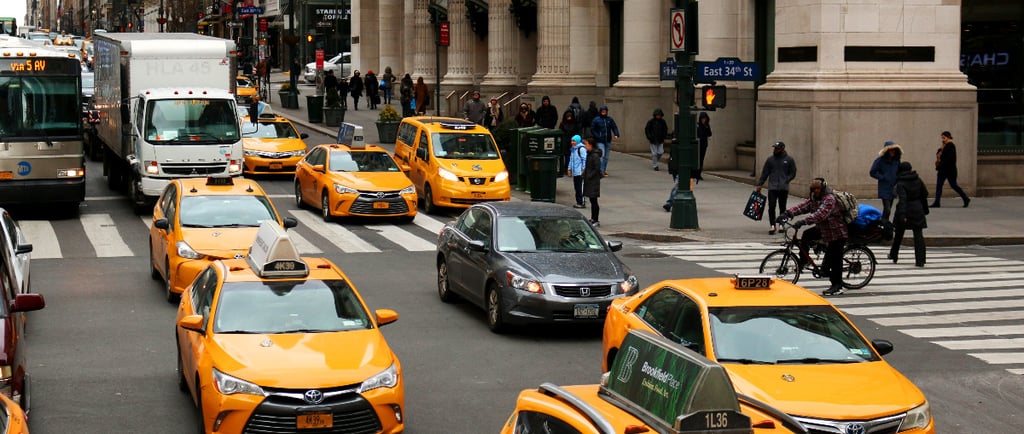

Every morning, the city awakens, not with spectacle but with tide. The city performs a habitual ritual that we rarely stop to see. A quiet signal, the frenzy of horns in traffic, a train’s whistle; and suddenly a river of half-awake people floods the streets, stumbling and multitasking their way into another day. As evening dawns, that same tide retreats just as feebly. In this daily migration, there is a whole story unfolding right in front of us, if we choose to take a second and look.
The Morning Surge
If you want to see humanity at its truest, observe a crosswalk at 9 AM. No pretenses, filters or masks, just pure grind and survival. The buses groan, the cars inch and everyone moves together in a chaotic harmony, like a flash mob nobody agreed to join but somehow everyone knows the steps to. The crowd of people waiting in line outside the corner bodega for their daily groceries, the little devils rushing for their school bus and the office goers who look like they’ve fought a whole war before breakfast. Be it anyone, all of them are in the same boat as us, just trying to get through one day at a time. We are so busy in our own lives and daily errands that we completely overlook this exhaustive yet beautiful habitual commute, which happens every day in our cities.
Speaking from experience, if you just take a minute the streets of your city will evoke a sense of sonder in you, as each person hurries by their own unknown journey. This daily commute needs no rehearsal, just route memory. Everyone seems to be on a sort of autopilot mode, where they just let the day take them to their destination. There is beauty in monotonous schedule of migration, a sense of comfort in going on the same journey every day. One gets to see so many personalities in this rush. The early bird optimist who thinks waking up at 7 AM is a personality trait. The zombie like worker powered only by the countless alarms, infinite cups of coffee, the hope for a promotion and coworker betrayal. The calm commuter – as far-fetched that idea seems. Every face in this rush has a story, though most morning expressions are set to buffering, and in the evenings, they are set to re-charging.
Mornings move fast and we attempt to keep up, attempt being the keyword here. Everyone moves as if they know what they’re doing, when most of them, don’t. Each of us depart as individuals in the morning and merge as a phenomenon on the roads. Then it is just a chaotic mob the whole day, we bump into so many people, and we never know what’s going on in their lives, or if we might accidentally bump into them again. But there are some things which stay constant in this routine, the familiar faces and places we see in the city. The bus stop at the end of the street, the coffee shop which serves that cup of coffee, giving you the right amount of caffeine for you to survive the day. Or the friendly neighborhood cat who greets you every morning when you leave for work. These familiar things make the daily grind a bit more bearable.
The Waning Evening
The evenings in the city are just completely different, they don’t rush, rather they ooze gently. The urgency of reaching someplace fades, but there is a longing and desperation, for home. The river still flows, but if morning was a sprint, evening is a gentle wobble home. By 6 PM, even the fastest walkers switch to energy saving mode. People look less like they’re escaping a burning building and more like they’re swimming through warm water. The journey people embark on, to go home to their loved ones is less a commute, more a collective sigh with legs. The city takes us somewhere every morning, and in the evening, it simply gives us back.
The cars honking now feels like the percussion in a soothing song, the hum of engines feel more therapeutic rather that the rage like grunt in the mornings. The streetlights turn on one by one, like a slow applaud to the commuters for making it through the day. The way back home is proof that survival sometimes deserves a standing ovation.
The Evening Shift No One Talks About
There comes a point in every city evening when the tone changes so subtly that you realize it only in retrospect. The sidewalks don’t empty; they simply redistribute weight. The lanes don’t fall silent; they just lower their voices. The entire urban system transitions from high alert to quiet operation, like a machine finally allowed to cool after running hot for too long. This hour belongs to people exiting offices with the same expression that envelopes worn-out novels pages slightly crumpled, stories intact, energy reserved for the final chapter at home. Feet still move forward, but now there’s no sprint left inside them, no invisible leaderboard compelling urgency. Instead, there’s direction. Simple, persistent, unquestioned direction toward a place softer than where the day dragged them.
In the evenings, people interact differently with their surroundings. They absorb instead of dodge, witness instead of demand, inhabit instead of performing. The rhythm of transit is steady but no longer sharp-edged. Bags that were mounted proudly on backs in the morning now fall closer to the hip, or the ground, or a bus seat if luck grants diplomacy. Phones that were held like compasses now function more like journals, glowing quietly back into faces that are thinking again instead of reacting. Look at the commuters waiting for buses at dusk. The queue isn’t shorter only the belief that standing needs to be brave. Nobody looks impatient, only mildly resigned in a way that binds strangers without bond agreements. Their eyes are trained forward even without motion, tracking approaching headlights like migration instinct coded in flesh, not intent. Conversations scatter in pockets instead of threads, sentences complete but slower, words warmer but quieter.
And then there is the opposite commuter not uncommon in the city but rarely acknowledged. The one who walks against the direction of exhaustion, perhaps toward a grocery stall still glowing amber, or toward a late meeting, or simply against the mass because their route demands rebellion. They exist in silhouette, upstream, moving through a system that is flowing past them, not with them. It’s not countercurrent courage, just reality having more than one vector. These parallel currents coexist without interference because cities teach everything synchronization except stillness.
Where the City Stores Its Evenings
Evening commuting introduces a second side of urban architecture; one rarely described properly. High-rise buildings glow from inside, but outside they look calm overworked constellations trapped in rectangular frames. You can almost feel the warmth leaking through glass, a faint promise that the day still lives but behind coated windows, sealed into circuits, meetings, decisions, deadlines finishing their own quiet rebellions inside rooms that blink yellow and white. Flyovers, which looked like arteries in the morning, feel more like bridges suspended over collective fatigue. Cars layer themselves not like racing machines but like beads on a string pulled slowly by probability. The horns still sound, but evening honks are sonic timestamps, not declarations. They don’t demand attention anymore, they simply mark presence part of a citywide echo system where survival isn’t poetic, only sequential.
Street vendors perform their most elaborate choreography in the evening. They don’t compete with crowds anymore, because in the evenings the crowds come to them, not past them. Hands move slower now serving chai, soda bottles, fruits, newspapers, fried snacks. No enthusiastic flair, just a well-practiced sequence that exists every day without needing editorial approval. Their lights glow amber and pink, shadows pooling in tight halos around stalls like storytelling units without narrators, watched by commuters who don’t look starved, only softened into acceptance of hunger as part of transport infrastructure. Look at local markets: evening-foot traffic moves like Brownian motion, softly chaotic, self-guided. The city isn’t pulsing anymore, it’s metabolizing.
Trains slide into platforms like actors fulfilling shift duty hisses instead of roars, brakes sounding purposeful, doors parting with calm mechanical finality. The crowd boards not like enthusiasm exploded but like obligation condenses willingly when motion is smoother. People fill compartments like evening water filling warm metal, bodies guided by practice, not excitement. This is the hour where everyone agrees silently: take me back to lower entropy.
Evenings and the Human Battery Indicator
Morning commuters operate on low awareness but high momentum. Evening commuters operate on low momentum but regained awareness. It’s the same organism, different power profile. In the morning, bodies perform system boot while minds are delayed startup processes. In the evenings the opposite is true. The brain returns first noticing again, thinking again, reflecting again while the body follows at reduced clock speed. Eyes reopen imperceptibly, posture recalibrates by a few degrees, breath deepens into private rhythm rather than crowd cadence. By 6:45PM the human battery indicator flashes invisibly around us: recharging soon, please hold route.
Sonder, not in the Middle, But on the Way Back
Most blog posts on commuting explore the grind, the exhaustion, the urgency, the systems failure, or the city’s malfunctioning aesthetics. But the most sonder-rich hour is the walk back. This is where personalities uncouple from their transit costumes and become softer, quieter, more dimensional without needing to be dramatic. You notice strangers again not as objects in your route but as biographies crossing through your evening light, temporarily finer resolution versions of themselves than they were 12 hours earlier. Their stories don’t intersect, but their vector does: toward warmth, toward rest, toward home. The commute home is the moment when participation feels real but not urgent, when the city looks expansive but not overwhelming, when time feels slower but not wasted just softened into transport shape.
The River Doesn’t Rest, It Takes Attendance
If you look at a traffic intersection at exactly 6:33PM every evening, you’ll see the same route obedience you saw at 9AM. The motion is just redistributed. Morning begins the migration. Evening resolves it, slowly. Our feet move daily because cities are built not just of roads and rails, but patterns of us using them. The city launches us every morning and retrieves us every evening without asking review feedback, star rating, or emotional gratitude. The ritual repeats because it doesn’t need applause to exist. We provide quorum, motion, flow, congestion, return, entropy, recharge.
The Commute You Think Is Background, Is Actually Core
Tomorrow, the river flows again. At 6AM the city will inhale steel and silence. By 9AM it will pulse with bodies and horns and whistle-coded direction. By evening, it will give the people back with softer footsteps, longer interior thought windows, and quieter gravity. You might not romanticize the commute, and you don’t have to. Just recognize this truth: The city moves because we move through it. The ritual is unnoticed because it never breaks the schedule. The river flows forward in the morning, inward in the evening. The tide carries stories not because it tries, but because we refuse to unpack them en-route. Commutes don’t interrupt life they occupy a permanent chapter of it. The river awaits attendance tomorrow too. And we will join, again current or carried.
Stay
Receive gentle thoughts and quiet moments weekly.
Contact
Connect
© 2025. All rights reserved.